

Interference Window
Every day your mind produces thousands of thoughts, one after another, and most of us have no real way of telling which ones are worth listening to and which ones are just noise, so we end up reacting to all of it, getting clouded by the sheer volume, and never quite sure which thoughts deserve our attention and which ones are just getting in the way.
Performance = Potential - Interference
This is interference and it was first described over 50 years ago by Tim Gallwey, whose formula that performance equals potential minus interference has helped high performers across sport and business understand what's actually holding them back.
The Interference Window takes that same idea and gives you a way to notice the thoughts you're having in the moment, so you can start reducing the interference they cause. Less interference means more of your potential actually shows up. This can help your performance and engagement at work, and even boost creativity, innovation and decision making. It’s also really helpful if you’re wanting to engage more with your team or customers, as it gets you out of your own head, and into those important interactions and conversations without the stress.
There’s also a quick diagnostic quiz that tells you what state you're in at any given time, and a practical way to reduce the interference from there.
It’s all built on over 30 years of research and thousands of peer reviewed studies by experts in the field of ACT, distilled into something easy to use in the middle of a working day.
What is The Interference Window?
The window describes where you are at any point, based on how much your thinking is causing interference, and how aware you are of it.
You can move through any or all of these four states. The aim is not to stay in one. It is to know where you are.
Suffering
Thoughts feel like facts. Things feel personal and overwhelming..Struggling
You can see your thoughts creating friction. You are not yet free of it.Engaging
Interference is reducing. You are responding rather than reacting.Flowing
Minimal interference. Action feels natural and clear.Each state tells you something about where you are right now. It can change, and unlike other tools, it’s not defining who you are.
It’s simply telling you something about the state you are in at a certain point in time, and giving you the tools to move through the interference you are experiencing.
The Interference Window
Your thinking is getting in the way more than the situation is.
Where the interference comes from
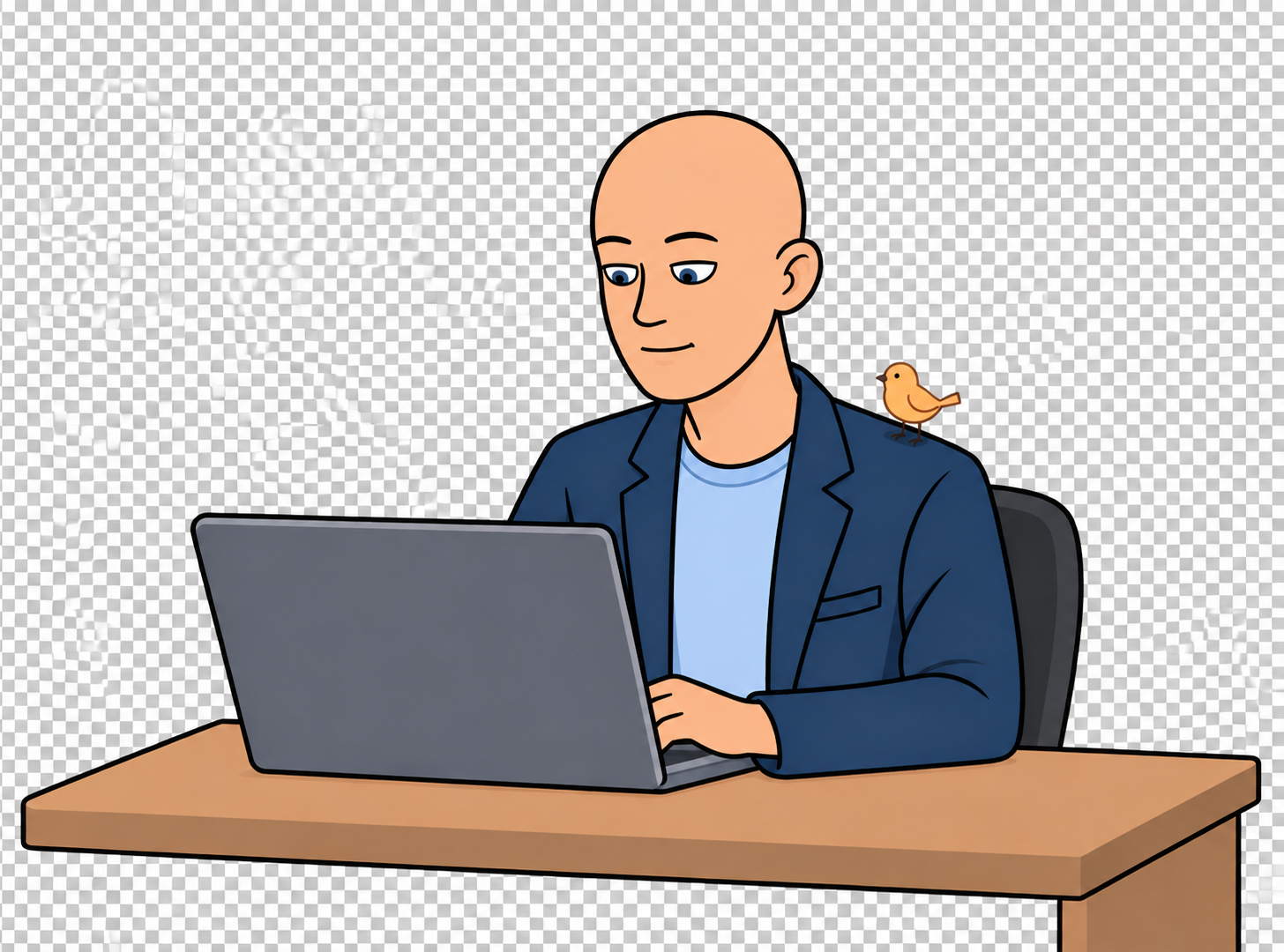
It’s like having a little bird on your shoulder, that’s been there your whole life, and every time one of those thoughts arrives that's them flying in to tell you something, and it's the constant chirping of the unhelpful stuff that ends up creating most of the interference you feel at work.
The good news is that there is a scientifically proven way to notice the bird and techniques to make sure it flies off before doing any damage through its interference.
Ways to go deeper
Sign up to 'Through the Window' for insights and articles about reducing interference from thoughts
Take a quick quiz to see where you are at the moment on the Interference Window
Find out about the 30 day program to reduce mental interference. Each day you’ll get a note to help you notice your thoughts and learn how to let them go.
Enquire about Interference Window Executive Coaching: 1-on-1 sessions for executives looking to reduce interference and increase performance
Email Simon directly at simon@InterferenceWindow.com
Through the Window
One short insight every week on reducing interference at work. No noise. Just what is useful.
No spam. Unsubscribe any time.